


4+ Experience
Nearly 3 years of industry experience and 2 years of graduate student research assistant experience.
~ 30 Projects
Conducted nearly 30 projects across industry, research, and academic settings.
100K+ Lines of Code
Written and maintained 100K+ lines of code for production systems, ML/DL model development, deployment pipelines, rapid prototyping, and algorithm design.
About Me
I’m an Applied Data Scientist and AI professional with over 5+ years of experience across different industries and academic environments.
I’m an applied data scientist and AI engineer focused on building ML systems that get used in real settings. My work spans industry, healthcare, and research, from deploying predictive and computer vision models in manufacturing to developing ML and LLM-based pipelines for clinical and public health applications at Johns Hopkins.
I enjoy working where modeling meets real-world constraints, turning complex data into reliable, understandable systems that support better decisions. I’m currently pursuing an MSE in Data Science at Johns Hopkins while continuing applied research and hands-on development.
EXPERIENCE
Nearly 3 years of industry experience at Hankook Tire and 2+ years of research experience across healthcare and and applied AI at CAI Research Lab and Johns Hopkins–affiliated institutions.

Johns Hopkins-Affilated
sep 2025 – present
AI Research Assistant | Johns Hopkins Bloomberg Public Health
Developing Agentic AI pipelines to extract and analyze large-scale policy and regulatory documents for public health research.
Apr 2025 – aug 2025
AI-Intern | Johns Hopkins Bayveiw Medical Center
Built scalable ML for complication prediction and LLM systems for clinical message triage, focusing on safe evaluation, clinician validation, and real-world healthcare workflows.
Hankook Tire
feb 2022 – jan 2025
AI-Engineer
Built and deployed production ML and computer vision systems used by R&D engineers to predict tire performance, durability, and risk at scale, replacing manual analysis and accelerating design decisions across hundreds of internal users.

CAI Research Lab, Hanyang Univeristy
Sep 2019 – Aug 2021
Graduate Research Assistant
Led the development of real-time driver recognition systems for ADAS; conducted in-depth research and proposed novel methods in computer vision and deep learning.
Works/Project
Below is a selection of projects I’ve worked on across industries, research, and academic settings, focusing on AI-driven performance prediction, real-time computer vision systems, and LLM-based applications using machine learning and deep learning tools.
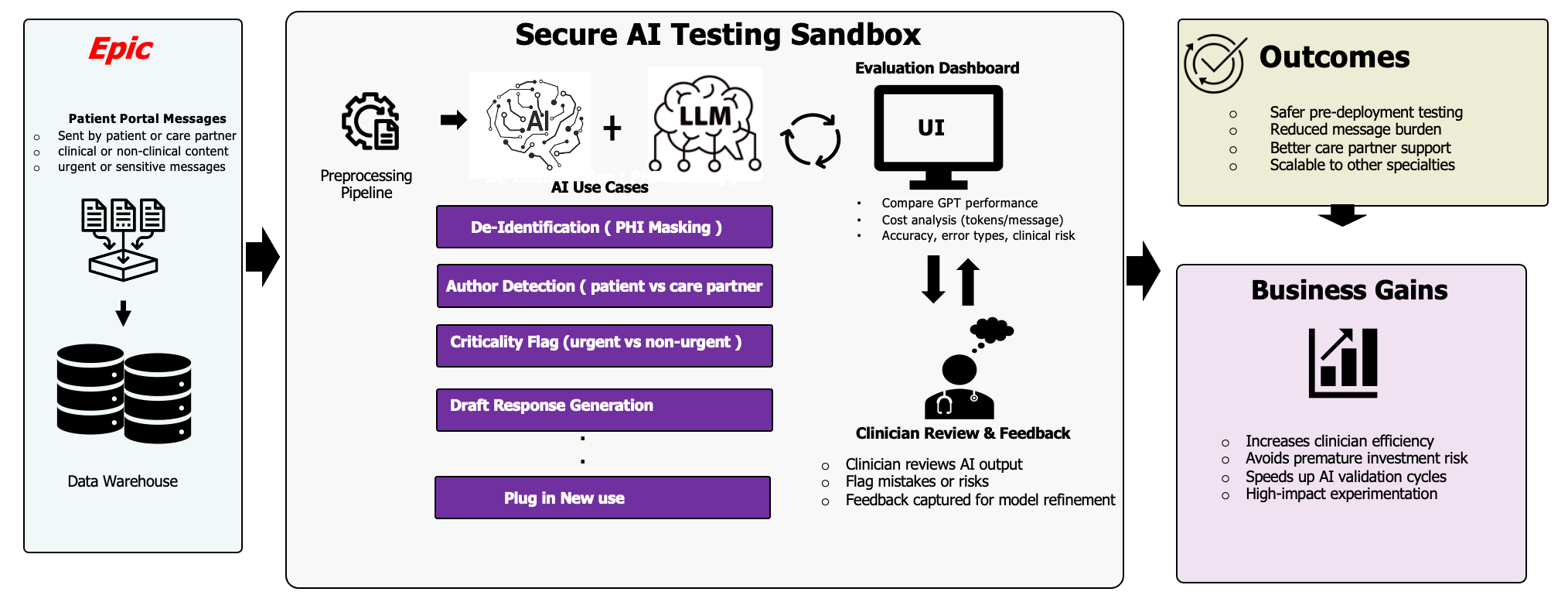
A Secure Sandbox for Pre-Clinical Evaluation of LLM in Patient Portal Message Management
This project delivers a secure AI testing sandbox that enables healthcare teams to safely evaluate large language models(LLMs) for patient portal message triage before clinical deployment. It’s developed in collaboration with Johns Hopkins Bayview Medical Center and a faculty member from the Johns Hopkins School of Nursing, using IRB-approved data.
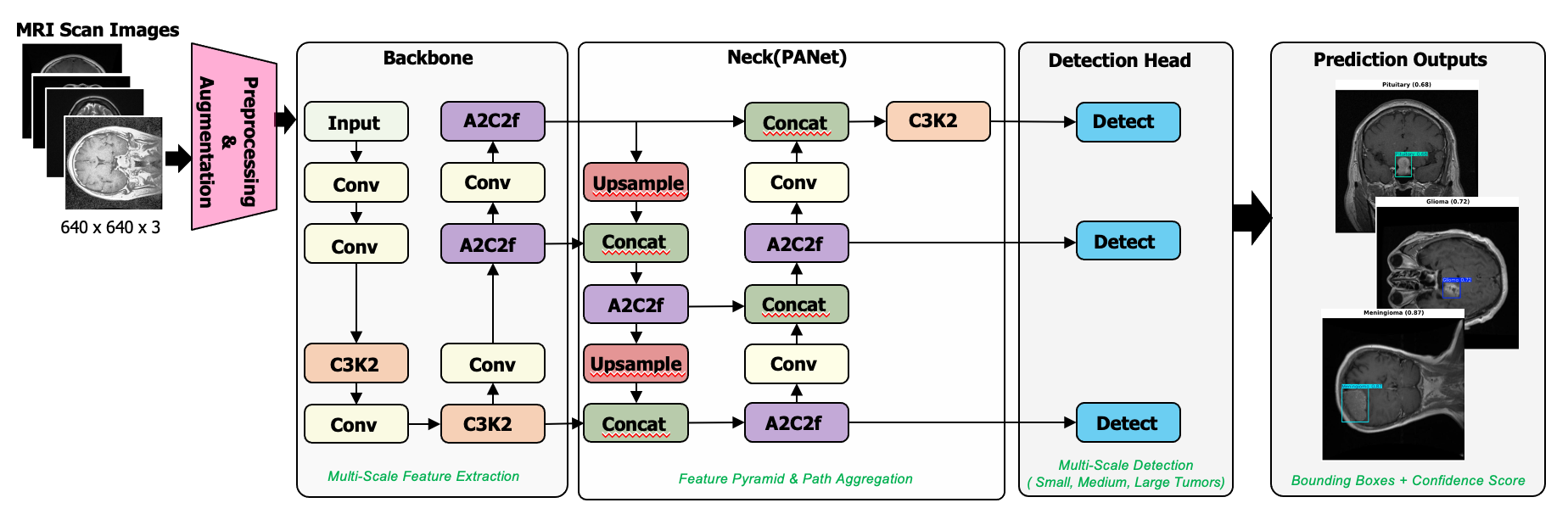
Towards an Optimization-Driven DL Framework for Multi-Class Brain Tumor Detection in MRI Imaging
Engineered an end-to-end advanced object detection pipeline to identify and localize four types of brain tumors in MRI scans: Glioma, Meningioma, Pituitary Tumor, and No Tumor. The framework combines multi-scale feature fusion with controlled medical imaging augmentations to handle realistic MRI acquisition variations. This work was presented at the 2025 6th International Conference on Computers and Artificial Intelligence Technology (CAIT 2025) and has been accepted for publication in the IEEE conference proceedings.
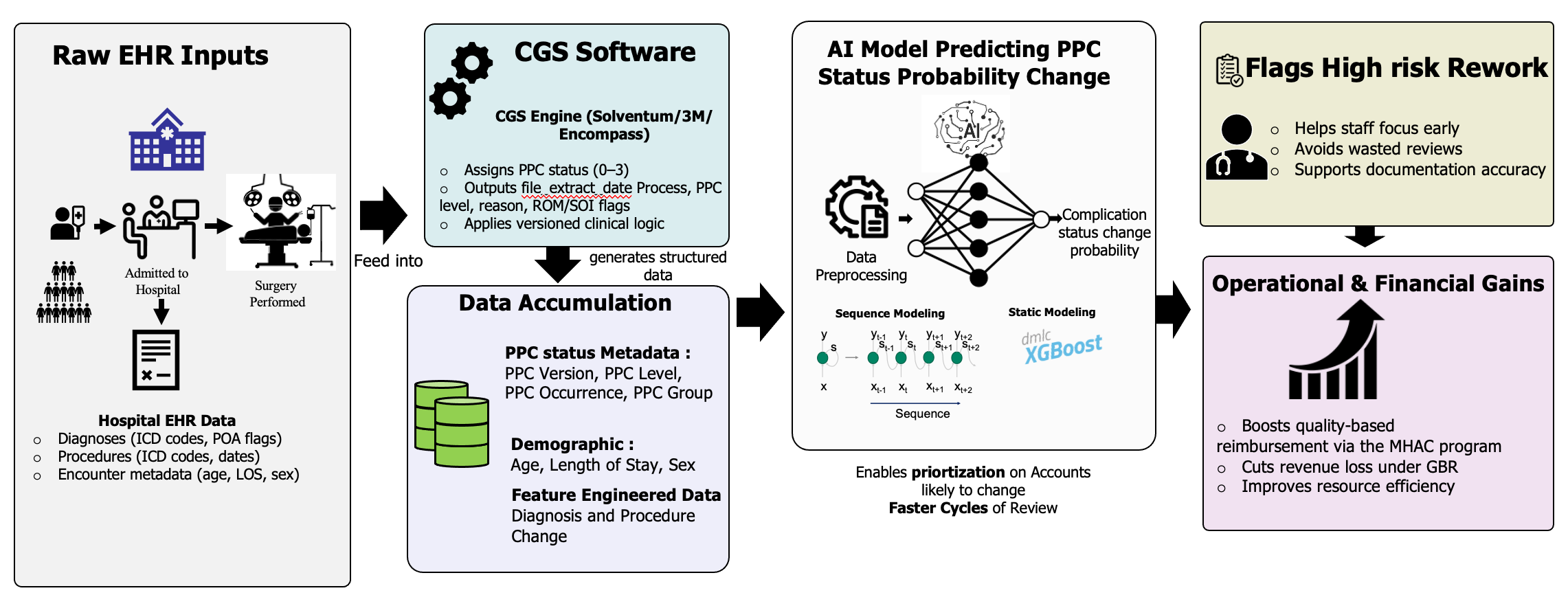
AI Enabled Complication Status Change Prediction System for Hospital Encounter Risk Monitoring
Hospitals face significant quality penalties and reimbursement losses when Potentially Preventable Complications (PPCs) are incorrectly documented, yet clinical teams waste time reviewing cases that will never change status. Developed a hybrid AI approach to predict which hospital complication cases require documentation review, enabling clinical teams to prioritize high-impact records that directly protect revenue and prevent quality penalties under value-based payment programs.
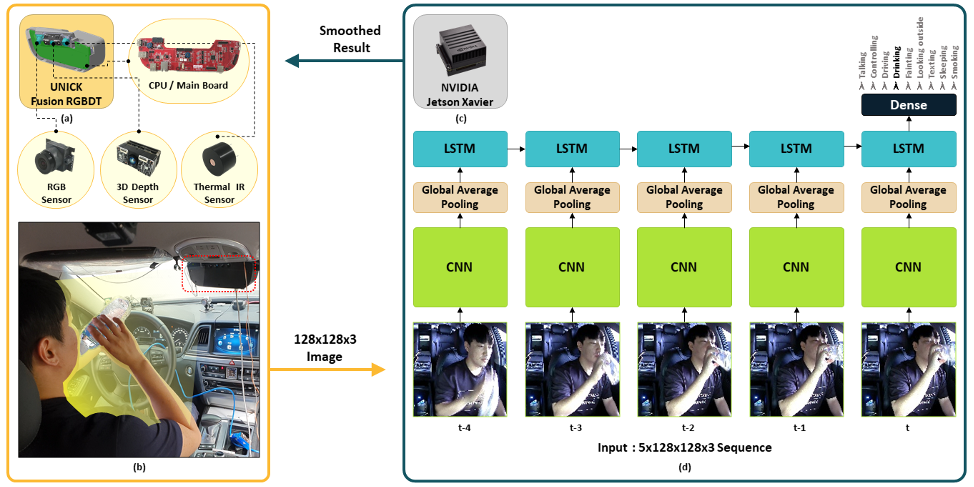
An Intelligent Real-Time Driver Activity Recognition System Using Spatio-Temporal Features
Designed and deployed an end-to-end 24/7 driver distraction detection system using hybrid deep learning (image recognition + motion pattern analysis) that operates in both daytime (RGB) and nighttime (thermal IR) conditions, recognizing 9 driver behaviors with state of the art result for nighttime distraction detection. The system was validated on 35 real drivers and deployed on NVIDIA Jetson Xavier for real-time inference (12 FPS), demonstrating production readiness for the $3B+ global ADAS market. (Fully government funded and peer reviewed research)
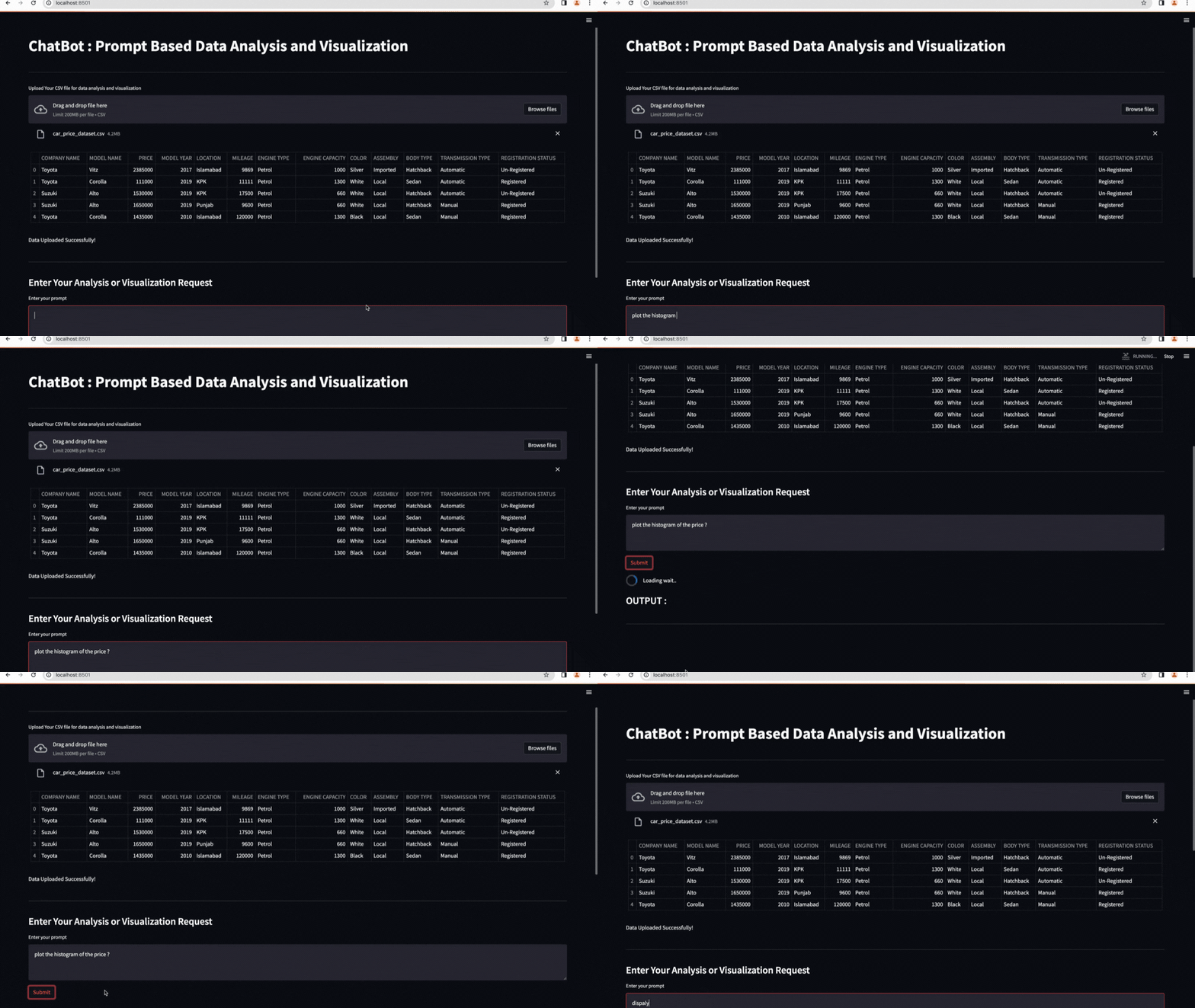
Prompt Based Data Analysis and Visualization Chatbot APP
A prompt-based data analysis and visualization chatbot has been developed. The chatbot utilizes a large language model (LLM) to analyze data, create visualizations based on user requests, and display the results accordingly.
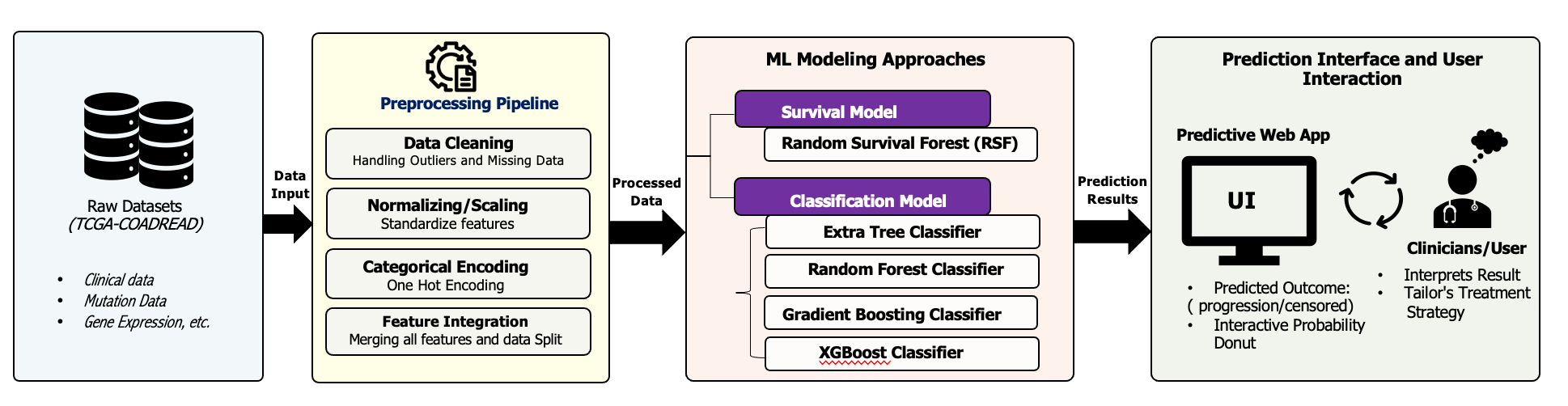
Predicting Immunotherapy Outcomes in Colorectal Cancer Using ML and Multi-Omic Biomarkers: Development of a Real-Time Predictive Web Application
Developed a machine learning-powered clinical decision support tool that predicts immunotherapy outcomes in colorectal cancer patients, enabling clinicians to identify high-risk patients and personalize treatment strategies. By integrating multi-omic biomarkers (genomic mutations, tumor burden, and immune signatures), the system reduces unnecessary treatment toxicity while optimizing resource allocation in oncology care. Deployed as an interactive web application, bridging computational research with real-world clinical workflows.
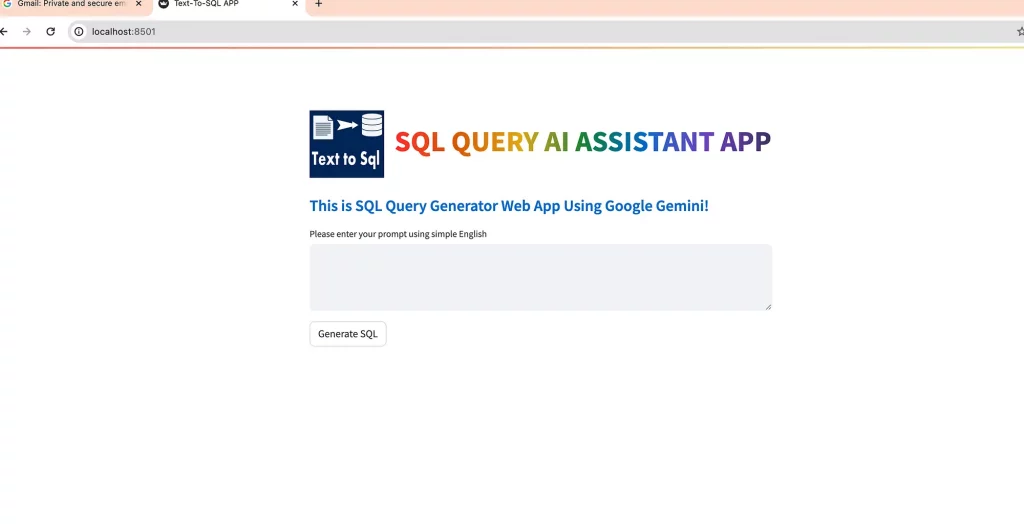
Text-to-SQL AI Agent App
In this project, a Text-to-SQL chatbot powered by Google Gemini is developed. The chatbot allows users to input plain text queries and generate corresponding SQL query code, along with an example of the output and an explanation of the generated code.
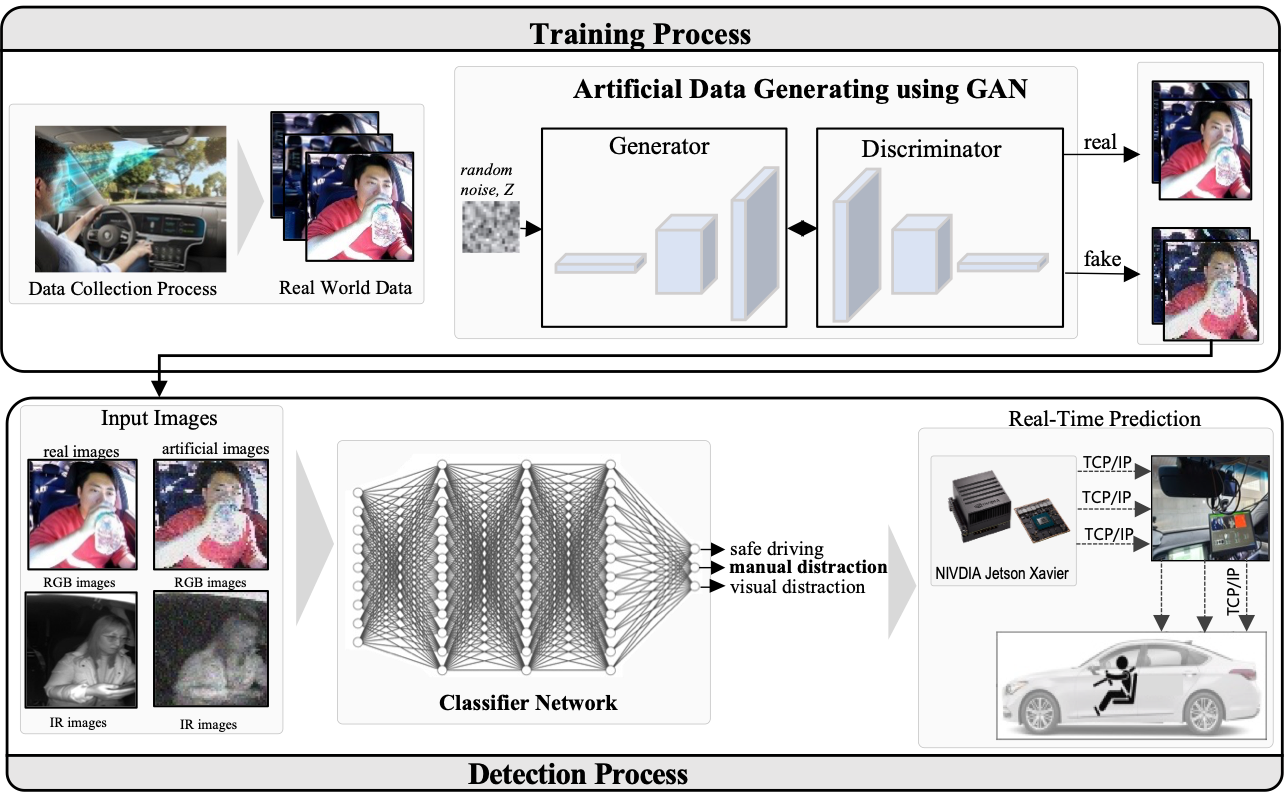
Hybrid Deep Learning Frame work for Distracted Driver Detection
In this project, we proposed a computationally efficient frame work that comprises a generative adversarial network (GAN) and convolutional neural network (CNN) framework for real time distracted driver detection during both day and nighttime conditions. The proposed system is composed of two consecutive steps.
Explore My Blog
Contact Me
Feel free to reach out with questions, collaboration ideas, or just to connect.
Get in touch with me